
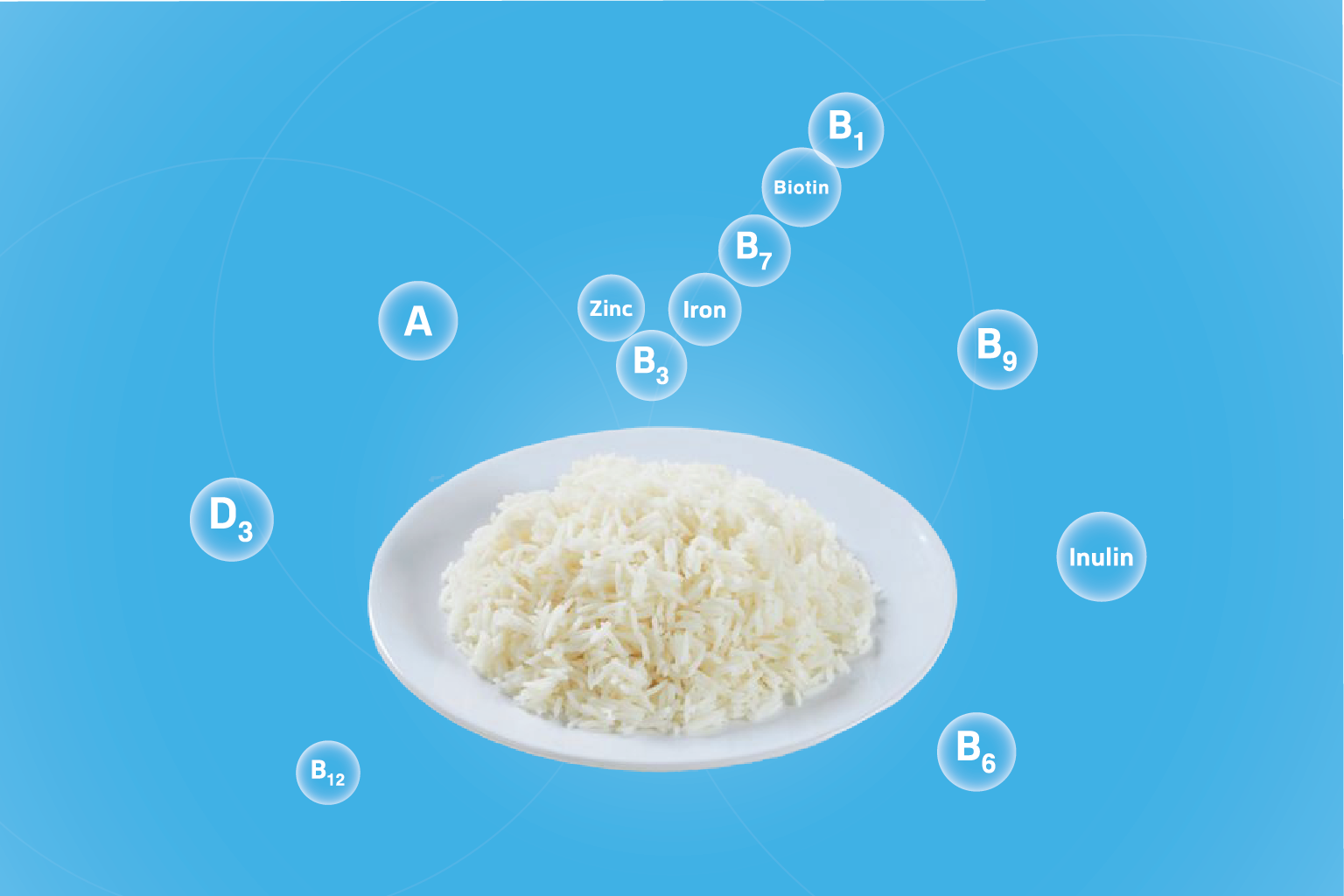
Nutrition improvement through rice fortification
Introduction
The article “Rice Fortification: Success Stories in 9 Countries” provides a comprehensive overview of rice fortification initiatives across multiple countries and highlights the role of strategic partnerships in improving public health.
Micronutrient deficiencies remain a major global health challenge and fortifying widely consumed staple foods such as rice offers an effective strategy to address this issue.
Review of the Study
The study reviews rice fortification initiatives implemented in nine countries, highlighting the importance of collaboration among governments, international organizations, NGOs and the private sector.
These initiatives focused on adding essential micronutrients such as iron, folic acid, vitamin A and zinc to rice, which is the staple food in many regions. The programs also included policy development, technical assistance, production capacity building and community awareness campaigns.
Program Results
The case studies demonstrate measurable improvements in several public health indicators, including:
Increased micronutrient intake among vulnerable populations
Improved iron status and reduced anemia
Reduced neural tube defects in some countries
Improved nutritional outcomes among children and women
These findings confirm that rice fortification can play an important role in addressing hidden hunger.
Importance for Fortified Rice Programs
Rice is one of the most widely consumed staple foods globally. Using it as a vehicle for micronutrient delivery can significantly improve nutritional status without requiring major changes in dietary habits.
The article highlights that strong policy frameworks, technical expertise and collaboration between public and private sectors are essential for successful implementation.
VITO’s Approach
VITO focuses on developing scientifically designed fortification solutions that use staple foods such as rice as carriers for essential micronutrients. Balanced formulations with high bioavailability can help improve everyday nutrition and support public health.
Conclusion
The article demonstrates that rice fortification, when supported by strong institutional collaboration and evidence-based planning, is an effective and scalable strategy to address micronutrient deficiencies and improve global nutrition security.
Reference
Rice Fortification: Success Stories in 9 Countries.

