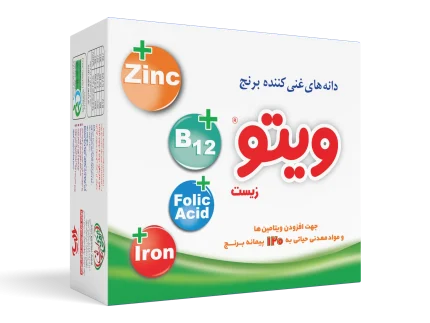
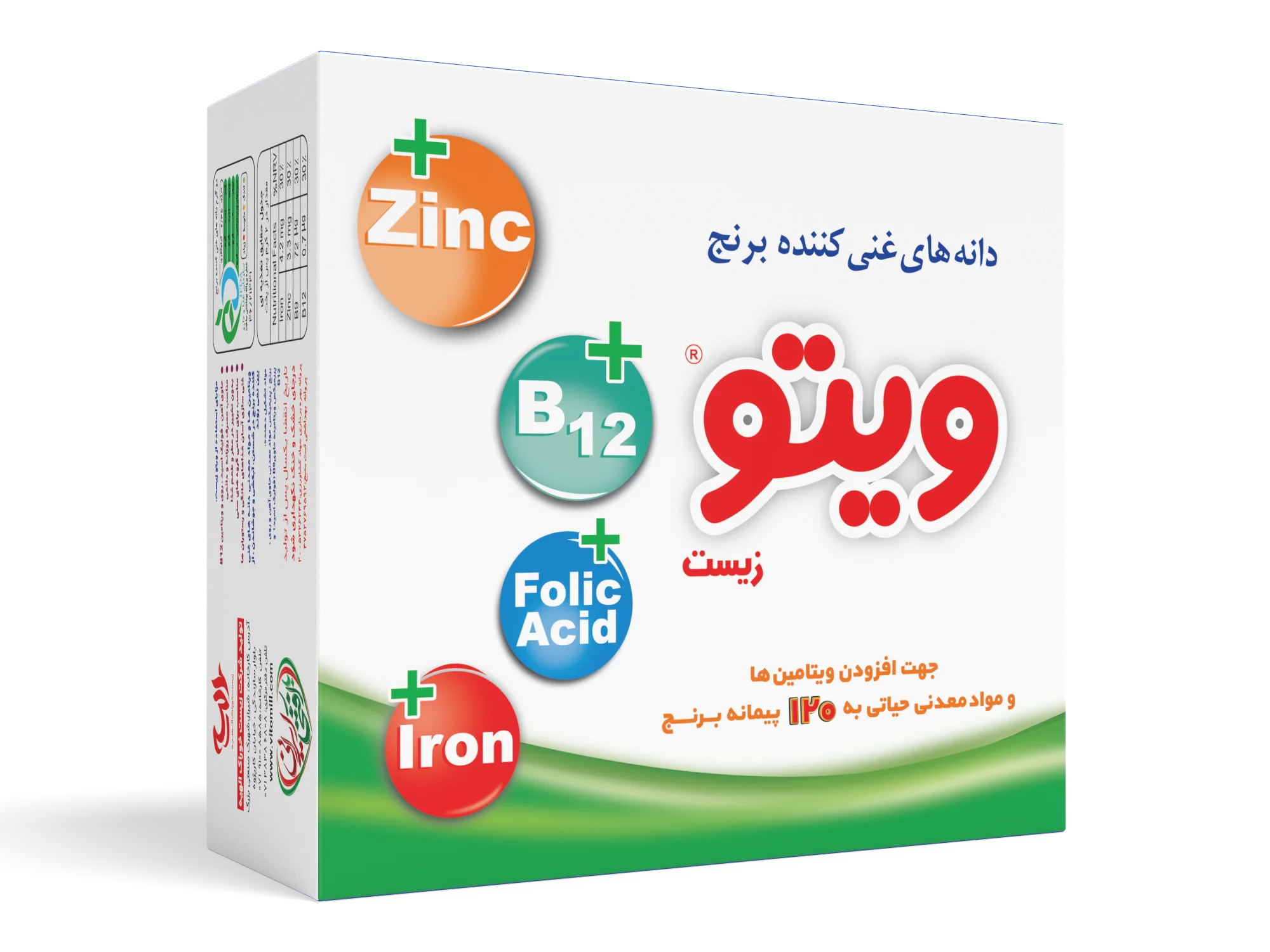
Vito Zist
At Vito Zist, we have designed and produced nutrient-rich seeds by following the guidelines of the World Health Organization (WHO).
Naturally, whole grain rice is a treasure trove of B vitamins—especially B1, B3 and B6—as well as iron, magnesium, zinc, fiber and even protein. However, before it reaches our tables, the nutritious and valuable parts of the rice namely its bran layers are removed during the industrial whitening process to align with general taste preferences.
In this process, 70 to 90 percent of the rice’s essential nutrients are lost; what remains is merely a white and appealing appearance, but with very low nutritional value. Removing the bran not only strips away vital vitamins and minerals, but also eliminates a significant portion of the rice’s fiber. The result is an increased glycemic index, reduced nutritional quality of the meal and over the long term a heightened risk of developing conditions such as type 2 diabetes, obesity and cardiovascular problems.
At Vito Zist, by following the guidelines of the World Health Organization (WHO), we have designed and produced micronutrient-rich granules that can be added to any type of food including rice before cooking to compensate for these deficiencies, without altering the taste, aroma or appearance of the rice.
Comparison of Micronutrients in White Rice and Fortified Rice:
Iron (Fe):
White rice contains only 0.4 mg of iron, while Vito fortified rice — with 4.2 mg of iron per serving — provides over 10 times more, helping your body deliver oxygen more efficiently, reduce fatigue and prevent anemia.
Zinc (Zn):
White rice contains about 1.2 mg of zinc, while fortified rice provides 3.3 mg — nearly three times more. Zinc is essential for growth, immune strength, healthy skin and tissue repair.
Vitamin B₁₂ (Cobalamin):
White rice naturally contains no vitamin B₁₂ (zero), but fortified rice provides about 0.7 micrograms — a significant portion of the daily requirement, especially for vegetarians and children. This vitamin is essential for blood formation, proper nervous system function and efficient metabolism.
Folic Acid (Vitamin B₉):
White rice contains only 8 micrograms of folic acid, while fortified rice provides 72 micrograms — 9 times more. This vitamin is essential for cell growth, blood formation and a healthy pregnancy.
Comparison of One Serving of Fortified Rice vs. Meat, Legumes or Vegetables:
Iron (Fe):
One cup of fortified rice containing 4.2 mg of iron provides roughly the same amount of iron as 100 grams of cooked lentils (about 3.3–3.7 mg) or 80 grams of cooked red meat (about 4–4.5 mg).
Zinc (Zn):
The amount of zinc in this serving is roughly equivalent to that found in 100 grams of beef or 150 grams of cooked chickpeas. Both provide approximately 3 to 4 mg of zinc.
Vitamin B₁₂:
Vitamin B₁₂ is found only in animal-based foods. The 0.7 micrograms present in fortified rice is roughly equivalent to that found in 60–70 grams of egg or salmon. This makes it a highly valuable source of B₁₂, especially for vegetarians.
Folic Acid:
72 micrograms of folic acid is roughly equivalent to half a cup of cooked spinach or one cup of cooked chickpeas. This amount covers a significant portion of the daily requirement—especially for children and pregnant mothers.
Vito fortifying granules are scientifically designed and formulated based on up-to-date guidelines from international authorities, including the World Health Organization (WHO) and the Global Alliance for Improved Nutrition (GAIN). The composition of these granules is carefully tailored to be completely safe and suitable for daily consumption by children, adolescents and toddlers.