
Introduction
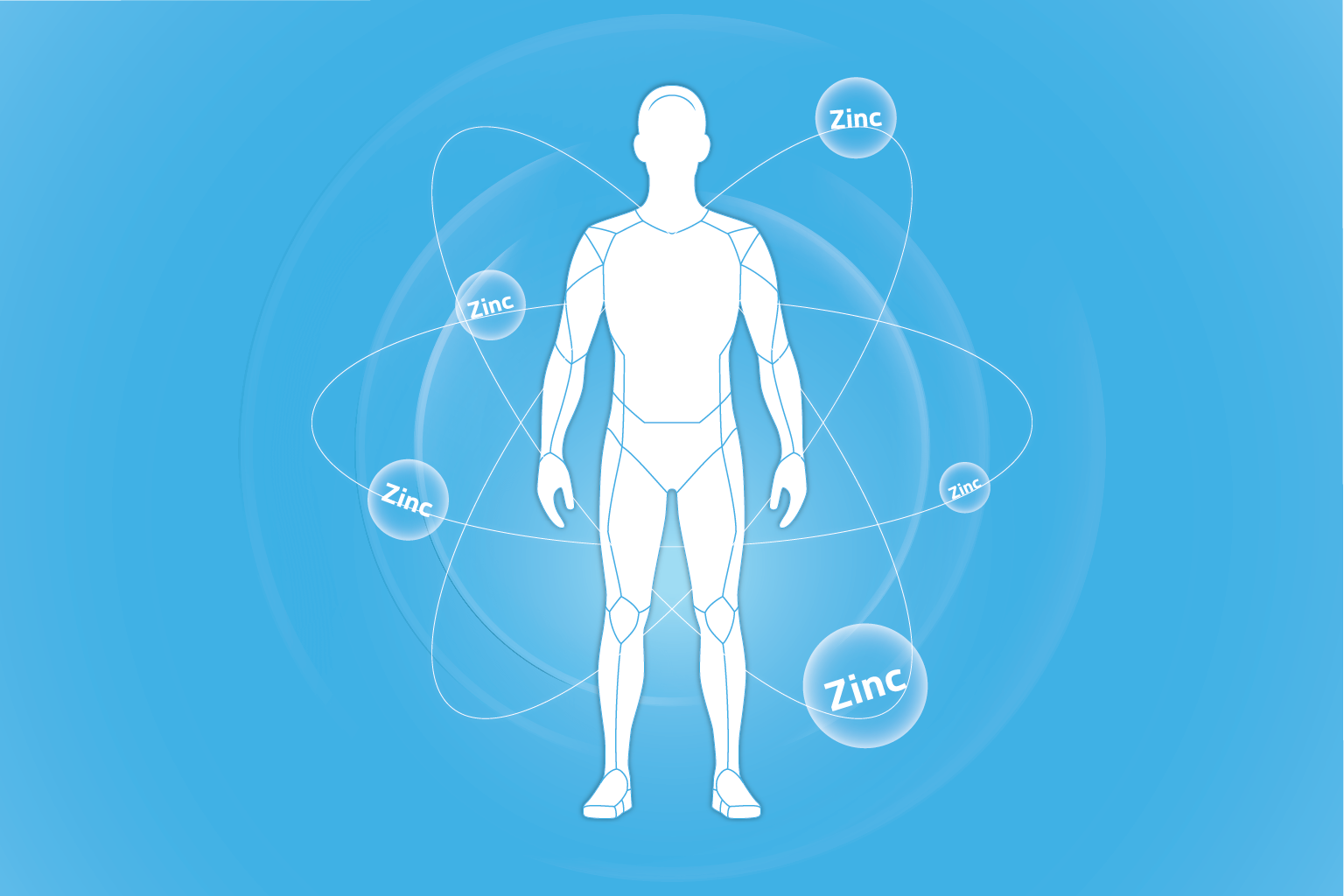
Zinc is an essential mineral for human health and its deficiency has been recognized as a major nutritional problem since 1961. Zinc deficiency is prevalent in many parts of the world, particularly in populations with high cereal consumption and low intake of animal-source foods. This element plays a fundamental role in immune function, growth, skin health, neurological function and reproduction and its deficiency can lead to a wide range of clinical disorders.
Review of the Study
This article provides a comprehensive review of the biological roles of zinc, its absorption and excretion, factors affecting its bioavailability, age-specific requirements, high-risk groups, consequences of deficiency and preventive strategies. Zinc is primarily absorbed in the small intestine and its absorption depends on an individual’s nutritional status, dietary zinc intake and overall diet composition. Phytic acid present in cereals and legumes is the main inhibitor of zinc absorption, whereas animal proteins enhance its absorption.
Micronutrient Stability Findings
The findings indicate that the human body has regulatory mechanisms to maintain zinc homeostasis and can increase absorption and reduce excretion under conditions of low intake. However, in cases of chronically inadequate intake or diets with low bioavailability, these regulatory adaptations are insufficient and deficiency develops. Zinc deficiency is associated with impaired growth, increased susceptibility to infections (such as diarrhea and pneumonia), reduced cognitive performance and weakened immune function.
Importance of the Findings for Fortified Rice Consumption
Since cereal-based diets are typically high in phytates and associated with lower zinc absorption, fortifying widely consumed staple foods such as rice can be an effective strategy to improve zinc status in at-risk populations. The article emphasizes that strategies such as food fortification, supplementation, dietary diversification and even biofortification of crops can help reduce zinc deficiency.
VITO’s Approach
These findings suggest that adding zinc to fortified products—particularly in forms with good bioavailability—can play an important role in supporting child growth, strengthening immune function and reducing infections. Attention should also be given to interactions between zinc and other micronutrients, such as iron, in formulation design to ensure optimal absorption of both elements.
Conclusion
This article demonstrates that zinc is a key micronutrient for growth, immunity and overall health and that its deficiency remains a global concern. Combining nutritional strategies, including the fortification of widely consumed staple foods, represents a sustainable and effective approach to improving zinc status at the population level.
Reference
Roohani N, Hurrell R, Kelishadi R, Schulin R. Zinc and its importance for human health: An integrative review. Journal of Research in Medical Sciences. 2013;18:144–157.

