
Introduction
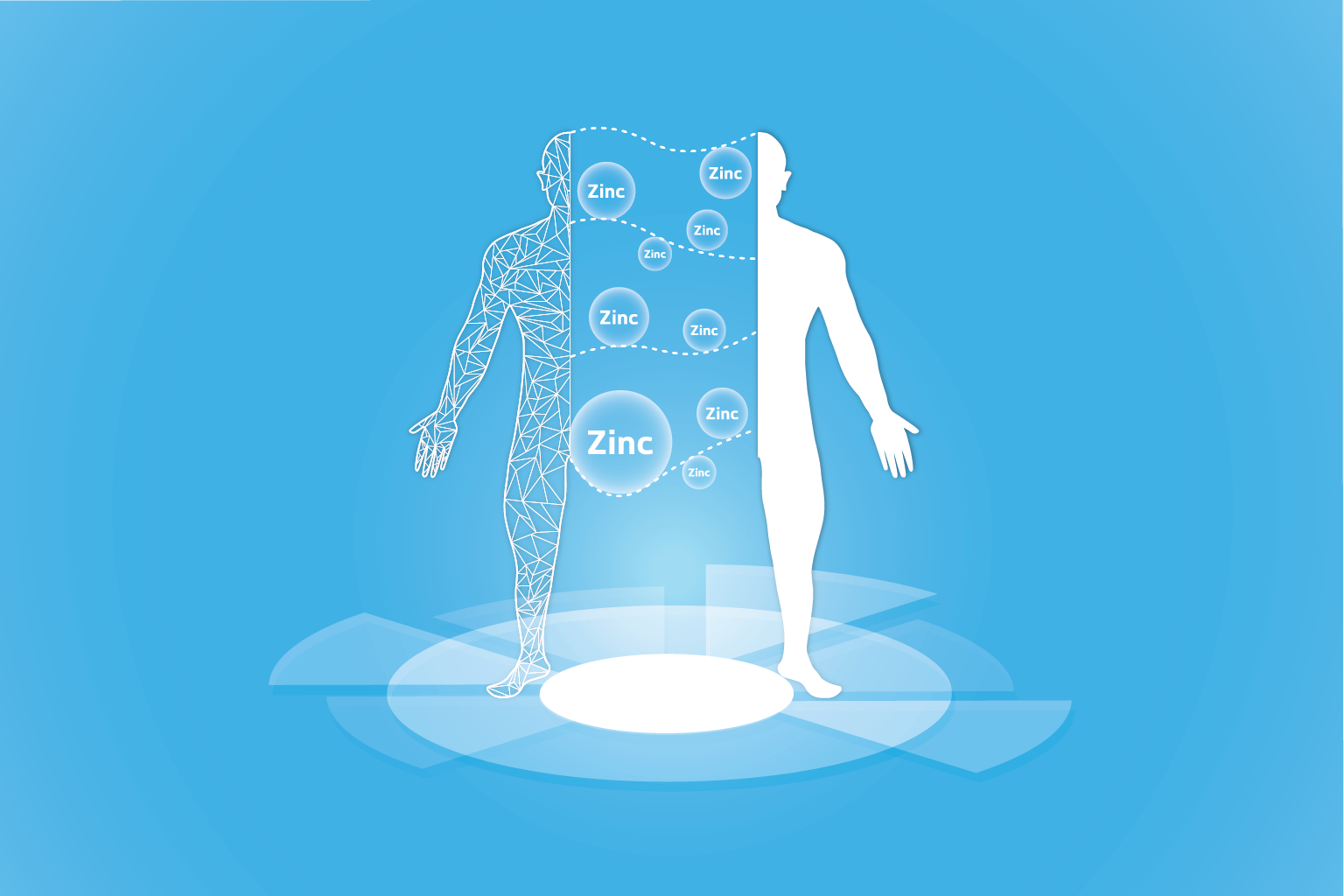
This review article examines the role of zinc in regulating the wound-healing process and demonstrates that zinc is an essential mineral involved in all stages of tissue repair. Wound healing is a complex, multi-phase process that includes hemostasis, inflammation, cell proliferation, tissue remodeling and scar formation. Zinc plays a critical role in enzyme function, immune response, oxidative stress control and cell membrane repair.
Review of the Study
The article comprehensively discusses the cellular and molecular mechanisms through which zinc influences wound healing. In the initial phase, zinc contributes to hemostasis by activating platelets. During the inflammatory phase, it regulates immune responses and controls the production of inflammatory mediators. In later stages, zinc supports tissue repair by enhancing cell proliferation, promoting fibroblast migration, stimulating epithelial regeneration and facilitating new blood vessel formation. In addition, zinc plays an important role in the activity of enzymes involved in extracellular matrix degradation and remodeling (such as matrix metalloproteinases, MMPs) and in maintaining the balance between tissue regeneration and scar formation.
Micronutrient Stability Findings
Although this article does not directly address the stability of zinc in foods, it emphasizes the importance of maintaining balanced zinc levels in the body. Zinc deficiency can delay wound healing, impair immune function, and increase oxidative stress. In contrast, adequate and balanced zinc intake improves inflammatory responses, accelerates tissue regeneration, and strengthens antioxidant defenses.
Zinc Deficiency and Delayed Wound Healing
Zinc deficiency can impair multiple aspects of wound healing, leading to prolonged recovery time and increased risk of infection. Individuals with inadequate zinc status may experience reduced immune competence and impaired cellular regeneration, both of which are critical for wound repair.
Importance of the Findings for Fortified Rice Consumption
Given that zinc deficiency is common in many populations, fortifying staple foods such as rice can be an effective strategy to improve zinc status at the population level. Providing a consistent supply of zinc through widely consumed foods may enhance immune function, support skin health and promote tissue repair—particularly among individuals whose diets are primarily cereal-based and associated with lower zinc absorption.
VITO’s Approach
These findings suggest that incorporating bioavailable forms of zinc into fortified products can contribute not only to growth and immune support but also to improved tissue health and natural healing processes. Designing balanced formulations that combine zinc with synergistic micronutrients, such as iron and vitamins, can enhance both the scientific credibility and practical value of fortified products.
Conclusion
This study demonstrates that zinc is a key element in all stages of wound healing, from inflammation control to tissue regeneration and scar regulation. Zinc deficiency can impair the healing process, whereas adequate and balanced intake—through diet or fortified products—can support overall health and optimize the body’s repair mechanisms.
Reference
Lin PH et al. Zinc in Wound Healing Modulation. Nutrients. 2018;10:16.

