
Introduction
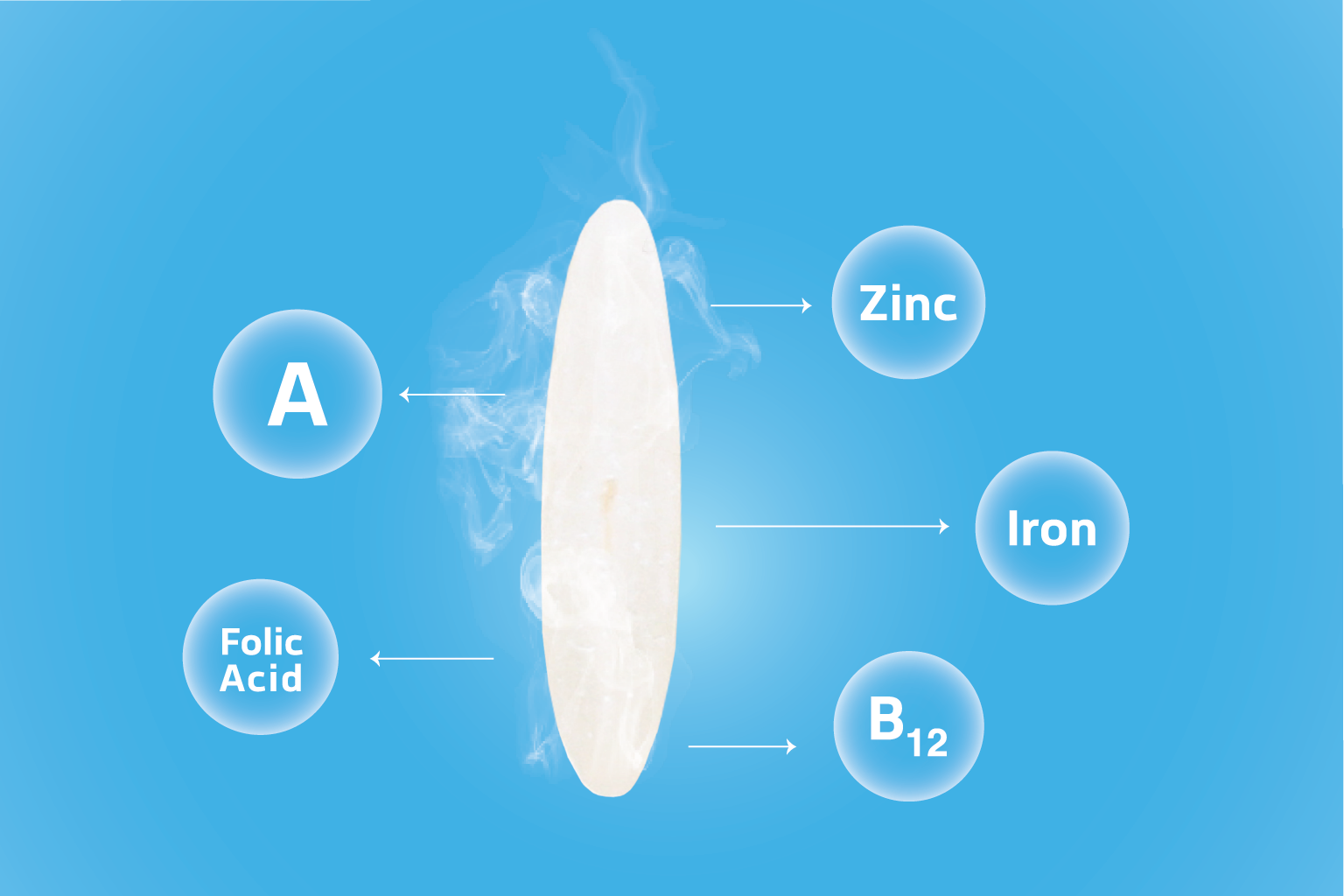
Rice fortification is one of the most effective strategies for reducing micronutrient deficiencies worldwide. Rice is the staple food for over 3 billion people globally. Since rice-based diets are often low in iron, zinc, vitamin A, folic acid and vitamin B12, adding these micronutrients to rice can play a significant role in improving public health. However, one of the main concerns is whether these nutrients are retained during different cooking processes.
Review of the Study
This study examined the retention of five micronutrients (iron, zinc, vitamin A, folic acid and vitamin B12) in fortified rice. The fortified rice was produced using three different methods: coating, cold extrusion, and hot extrusion. The rice was then prepared using five common cooking methods worldwide (soaking, boiling in excess water, the absorption method, washing before cooking and frying before cooking) to assess micronutrient retention after cooking.
Micronutrient Retention Results
The results showed that iron and zinc retention was very high (about 90–100%) and was largely unaffected by the cooking method. Vitamin B12 and folic acid also demonstrated good overall retention (around 75–90%). In contrast, vitamin A was the most sensitive nutrient: in certain cooking methods, such as boiling in excess water, a substantial amount was lost, whereas soaking before cooking improved its retention. No significant differences were observed among the three production methods and all technologies produced comparable results.
Importance of the Findings for Fortified Rice Consumption
These findings indicate that, in most common rice-cooking methods worldwide, a large proportion of micronutrients—especially iron and zinc—are retained. Therefore, concerns about major nutrient losses during cooking are generally minimal, except in the case of vitamin A. This is particularly important for national fortification programs, as it reduces the need for changes in consumer cooking practices.
Vito’s Approach
The study suggests that rice fortification is reliable in terms of micronutrient retention, particularly for iron and zinc. For VITO, focusing on scientifically designed formulations, using stable production technologies, and carefully optimizing vitamin A levels can help ensure product effectiveness and create a competitive advantage in the market.
Conclusion
This study demonstrates that fortified rice can be an effective tool for delivering essential micronutrients to rice-consuming populations. Most micronutrients remain at acceptable levels even after cooking and no meaningful differences were found among the production methods. The primary challenge relates to vitamin A; however, soaking rice before cooking can significantly reduce its losses.
Reference
Nyambura, et al. (2014). Stability of micronutrients in fortified rice. Annals of the New York Academy of Sciences.

