
Introduction
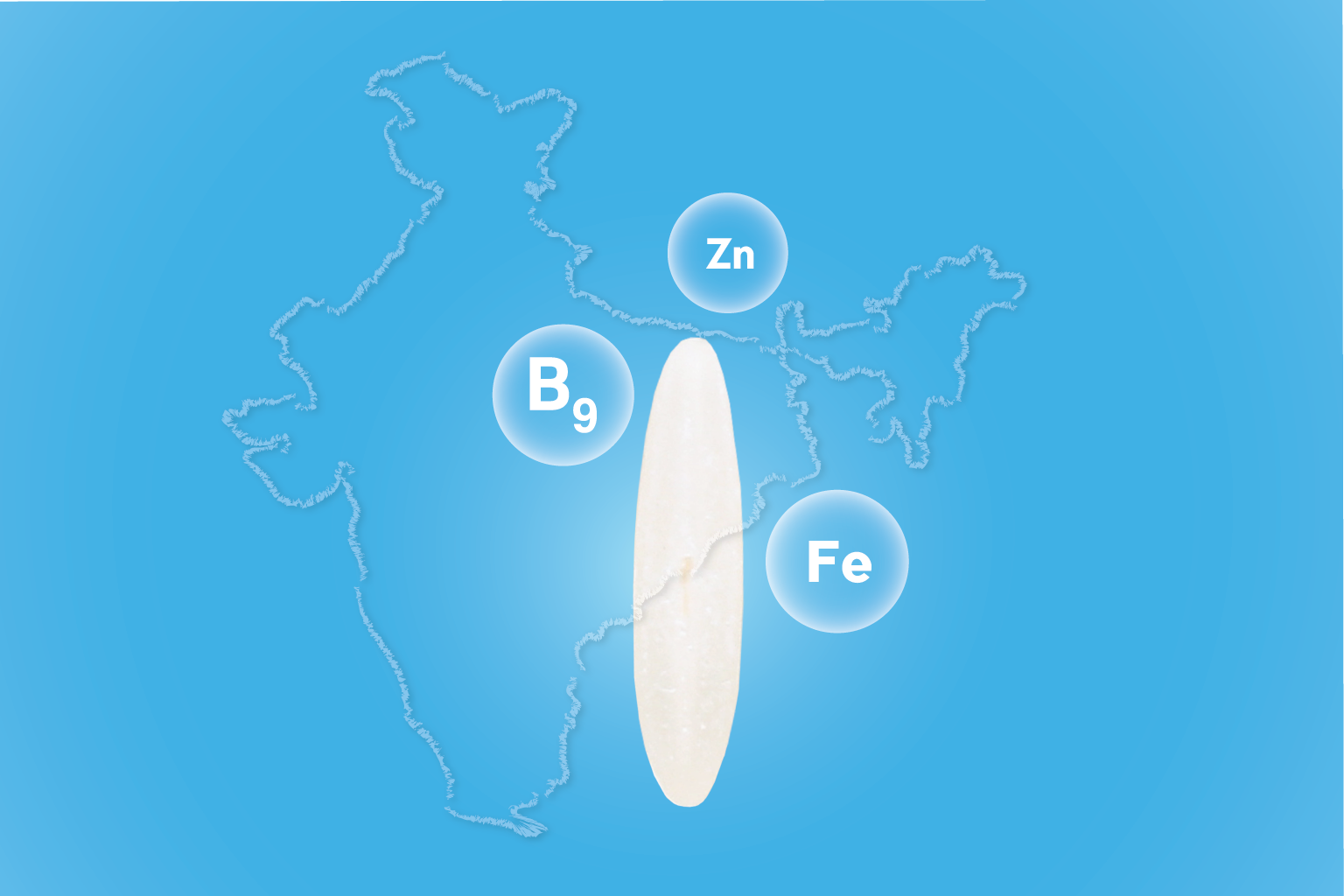
The case study titled “The proof is in the pilot: 9 insights from India’s rice fortification pilot-to-scale approach” examines India’s strategy for scaling up rice fortification. Micronutrient deficiencies remain a major public health challenge in the country. According to the 2019–2021 National Family Health Survey, only 11% of children aged 6–23 months receive a minimum acceptable diet, while anaemia is highly prevalent among children and women. In this context, rice fortification offers an important opportunity to improve nutrition through a widely consumed staple food.
Review of the Study
To test the feasibility of implementing rice fortification at scale, the World Food Programme (WFP) collaborated with India’s national and state governments to implement a “pilot-to-scale” approach. Four large pilots were conducted to evaluate the feasibility, effectiveness and operational challenges of integrating fortified rice into social assistance programs.
These pilots were implemented in major government food programs, including:
The Public Distribution System (PDS) for vulnerable households
The school meal program
The Integrated Child Development Services program for pregnant women and young children
The pilots demonstrated that fortified rice could be integrated into existing distribution systems and supply chains while maintaining manageable costs.
Key Findings and Insights
India’s experience generated nine key insights for scaling up rice fortification:
Food fortification plays a critical role when diets lack sufficient nutrients
Social assistance programs provide effective platforms for delivering fortified foods
Large-scale pilots generate the evidence needed for policy decisions
Predictable demand encourages private sector investment
Working across the entire value chain supports successful scale-up
Community engagement helps build public acceptance
Partnerships with development organizations strengthen advocacy
Knowledge sharing between countries accelerates implementation
Long-term commitment and investment are essential for success
Importance for Fortified Rice Programs
India’s social food assistance programs reach hundreds of millions of people. Following the success of pilot programs, the national government committed in 2021 to introducing fortified rice into all major social assistance food programs by 2024, potentially reaching more than one billion people.
VITO’s Approach
VITO focuses on developing science-based fortification solutions using bioavailable micronutrients and staple foods such as rice as delivery vehicles. This approach helps improve the nutritional value of everyday foods and supports large-scale public health nutrition strategies.
Conclusion
India’s experience demonstrates that pilot programs combined with existing distribution systems can successfully support the scale-up of food fortification initiatives. Strong collaboration between governments, private sector partners, and international organizations is essential to address micronutrient deficiencies at scale.
Reference
World Food Programme (WFP).
The proof is in the pilot: 9 insights from India’s rice fortification pilot-to-scale approach. 2022.

